Battery Cell Formats
Before diving into chemistry, it helps to understand the physical formats batteries come in. The same chemistry can exist in multiple form factors.

The 18650 format (18mm × 65mm) is the most common, found in laptops, power tools, and DIY powerwalls. The 21700 format (larger) is used in newer EVs (Tesla Model 3/Y). Chemistry: usually Li-Ion (NMC, NCA) or LiFePO4.

Flexible aluminum-laminated cells. Used in thin laptops, smartphones, and some EVs. High energy density. More susceptible to swelling (lithium plating) than cylindrical or prismatic if mistreated.

Rectangular aluminum-cased cells. The dominant format for off-grid LiFePO4 storage (e.g., EVE 280Ah cells). 4 cells in series = 12V. Easy to assemble into a pack. High cycle life.
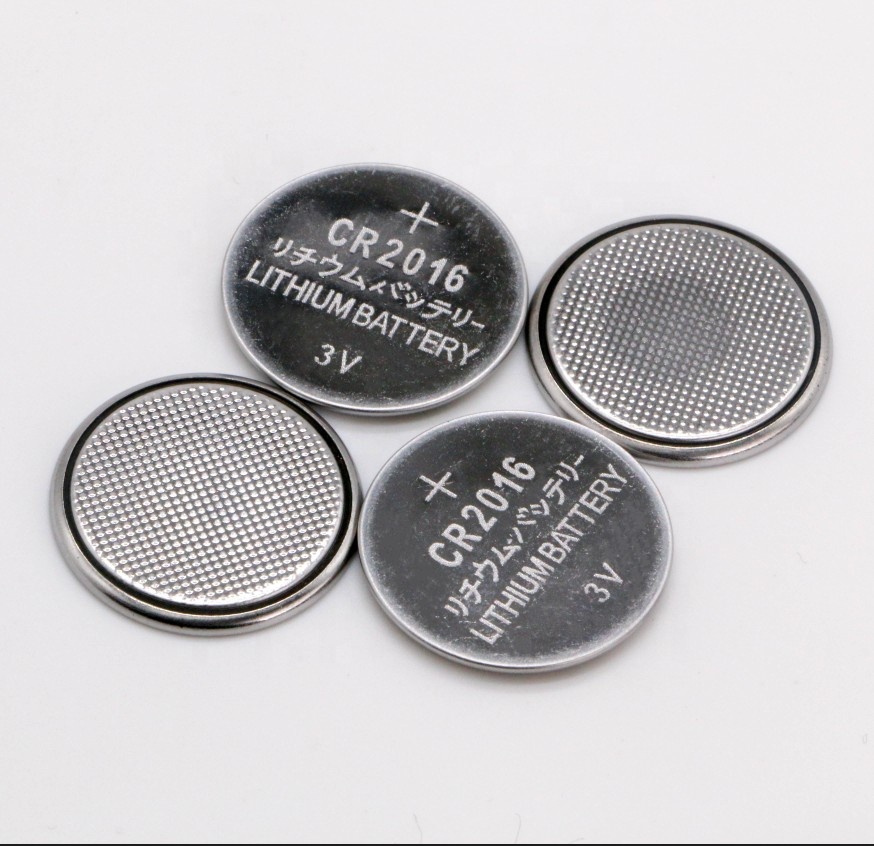
Small coin-shaped cells (CR2032, etc.). Used in watches, hearing aids, remote controls, and BIOS chips. Primary (non-rechargeable) lithium manganese dioxide chemistry. Not relevant for solar storage.
Chemistry Overview
| Lithium (various) |
NiMH | NiCd | Lead Acid | |
|---|---|---|---|---|
| Energy Density (Wh/kg) | 90–190 | 60–120 | 45–80 | 30–50 |
| Cycle Life | 500–5,000+ | 300–500 | 1,000 | 200–3,000 |
| Discharge Rate | 1C–35C | 0.5C–5C | 1C–20C | 0.2C–5C |
| Operating Temp | -20°C to 60°C | -30°C to 75°C | -20°C to 45°C | -20°C to 60°C |
| Cell Voltage (nominal) | 3.2–3.7V | 1.2V | 1.2V | 2.0V |
| Toxicity | Low | Low | Very High | Very High |
| Self-discharge | 1–3%/month | 20–30%/month | 10%/month | 3–5%/month |
| All specs under best-case conditions with proper BMS protection (over/undercharge, overcurrent). | ||||
Lithium Chemistries in Detail
Not all lithium batteries are equal. The cathode material determines voltage, energy density, cycle life, and safety characteristics.
| LiFePO4 (Lithium Iron Phosphate) |
NMC (Nickel Manganese Cobalt) |
LCO (Lithium Cobalt) |
LMO (Lithium Manganate) |
|
|---|---|---|---|---|
| Nominal voltage | 3.2V | 3.6–3.7V | 3.6V | 3.7V |
| Full charge (SoC 100%) | 3.65V | 4.2V | 4.2V | 4.2V |
| Cycle life | 2,000–5,000+ | 1,000–2,000 | 500 | 500–1,000 |
| Energy density (Wh/kg) | 90–120 | 150–220 | 150–190 | 100–135 |
| Thermal runaway temp | 270°C (518°F) | 210°C (410°F) | 150°C (302°F) | 250°C (482°F) |
| Safety | Excellent | Good | Average | Good |
| Off-grid use | Best choice | 18650 packs | Avoid | Rarely used |
| Common applications | Solar storage, RV, EV buses | EV (Tesla, BMW, most cars) | Laptops, phones (older) | Power tools (older), EV prototypes |
LiFePO4 — The Solar Storage Champion
Lithium iron phosphate is the best chemistry for off-grid energy storage by a significant margin. Why?
Advantages
- Safest lithium chemistry: Does not combust or vent toxic gases even when punctured, overcharged, or overheated. Thermal runaway requires temperatures above 270°C.
- Longest cycle life: 2,000–5,000 full cycles (100% DoD) vs 300–500 for AGM. At 1 cycle/day, that's 5–14 years of daily use.
- Flat discharge curve: Voltage stays near 3.2V (12.8V for a 4S pack) for most of the discharge, then drops rapidly — making it easy to read SoC.
- High discharge rate: 1C continuous (100A from 100Ah), up to 3C burst for premium cells.
- No memory effect: Can be partially discharged and recharged without degradation.
Limitations
- Lower energy density: ~120 Wh/kg vs ~220 Wh/kg for NMC. LiFePO4 is heavier per kWh — less important for stationary storage, more important for vehicles.
- Cold charging restriction: Cannot be charged below 32°F (0°C) without a BMS low-temperature cutoff or heating system. (Discharging in cold is fine.)
- Higher upfront cost: $0.50–$1.00/Wh vs $0.15–$0.25/Wh for AGM. But total lifetime cost is lower.
Lead Acid — The Legacy Chemistry
Invented in 1859 by Gaston Planté, lead-acid is the oldest commercial rechargeable battery. Despite their weight and limited cycle life, they remain common in automotive starting applications and some budget solar installations.
Types of Lead Acid
- Flooded/Wet Cell: Liquid electrolyte, requires periodic water top-up (every 60–90 days). Vents hydrogen gas — cannot be used in sealed spaces. 200–300 deep cycles at 50% DoD.
- AGM (Absorbed Glass Mat): Sealed, maintenance-free, can be mounted sideways. 300–500 deep cycles at 50% DoD. More expensive than flooded but more practical for vehicles and cabins.
- Gel: Similar to AGM but uses silica gel electrolyte. Better for extreme temperature performance, but requires a specific lower charging voltage — often damaged by standard charge controllers.
Which Chemistry Should You Choose?
| Use Case | Best Chemistry | Why |
|---|---|---|
| RV / Motorhome boondocking | LiFePO4 | Weight savings, long life, deep discharge capability |
| Van life | LiFePO4 | Space and weight efficiency, high discharge for inverters |
| Cabin / off-grid home | LiFePO4 | Long cycle life, safety (indoor installation) |
| DIY powerwall (budget build) | Prismatic LiFePO4 cells | ~$0.22/Wh with DIY assembly, 3,000+ cycles |
| DIY e-bike / power tool battery | 18650 Li-Ion (NMC) | High energy density, small size, widely available |
| Temporary / budget backup | AGM | Lowest upfront cost — if you'll replace in 3–5 years anyway |
| Car starting battery | Flooded Lead Acid / AGM | Very high cold-cranking amps, purpose-built |
LiFePO4 Battery Reviews
Compare Battle Born, Renogy, RELiON, and Kilovault drop-in batteries with side-by-side specs and pricing.
View Battery ComparisonSystem Calculator
Enter your appliances and find out exactly how many kWh of battery you need for your system.
Open Calculator