Your Requirements
Why LiFePO4 for Off-Grid?
| Feature | LiFePO4 | Li-Ion (18650) | AGM Lead-Acid |
|---|---|---|---|
| Usable DoD | 85–100% | 80% | 50% |
| Cycle Life | 3,000–5,000 | 500–1,000 | 300–500 |
| Thermal Stability | Excellent | Moderate | Good |
| Weight (per kWh) | ~13 kg | ~7 kg | ~33 kg |
| Cost per cycle | Lowest | Medium | Highest |
| Fire Risk | Very Low | Higher | Low (but acid) |
Recommended LiFePO4 Batteries
🇺🇸 Amazon USDisclosure: Amazon links are affiliate links. We may earn a commission at no extra cost to you.
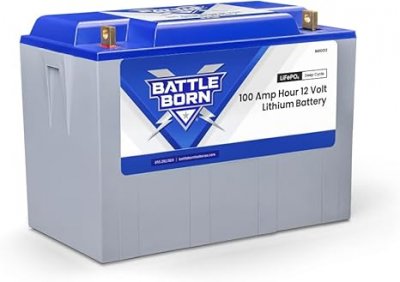
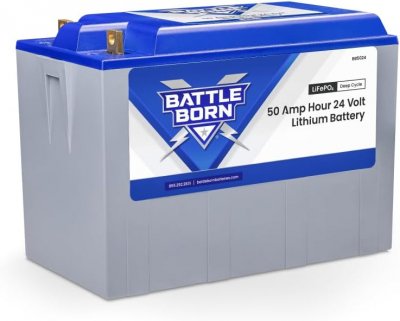
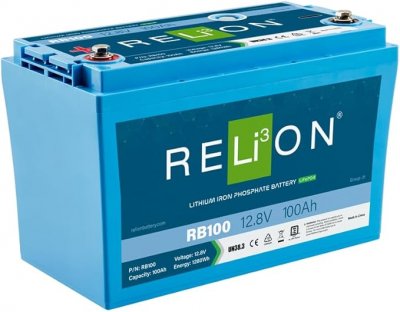
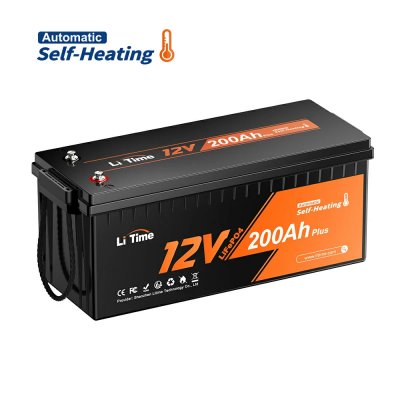
Litime
12V 200Ah Plus Self-Heating LiFePO4
- 2,560 Wh (200.00 Ah @ 12.80V)
- 4,000 cycles
- Built-in heater
Prefer a Plug-and-Play Solution?
🇺🇸 Pricing on Amazon USPortable power stations are all-in-one units — battery, inverter, and charge controller in one box. Just plug in solar panels and appliances, no wiring needed. Costs more per kWh than DIY LiFePO4 but zero installation work.
Disclosure: Amazon links are affiliate links. We may earn a commission at no extra cost to you.
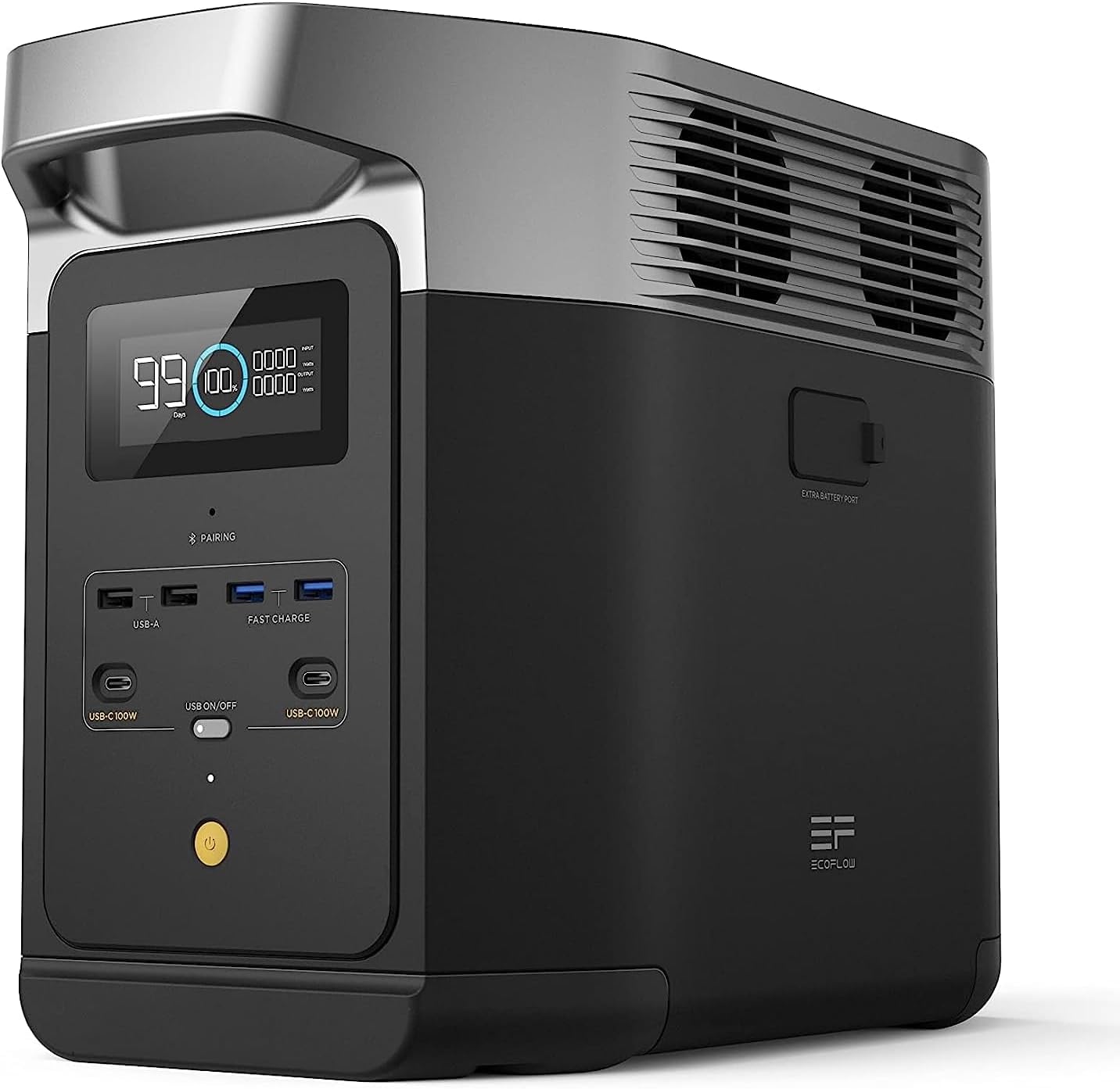
EcoFlow
DELTA 2
- 1,024 Wh LiFePO4
- 1,800W continuous output
- 500W max solar input
- Expandable to 3,072 Wh
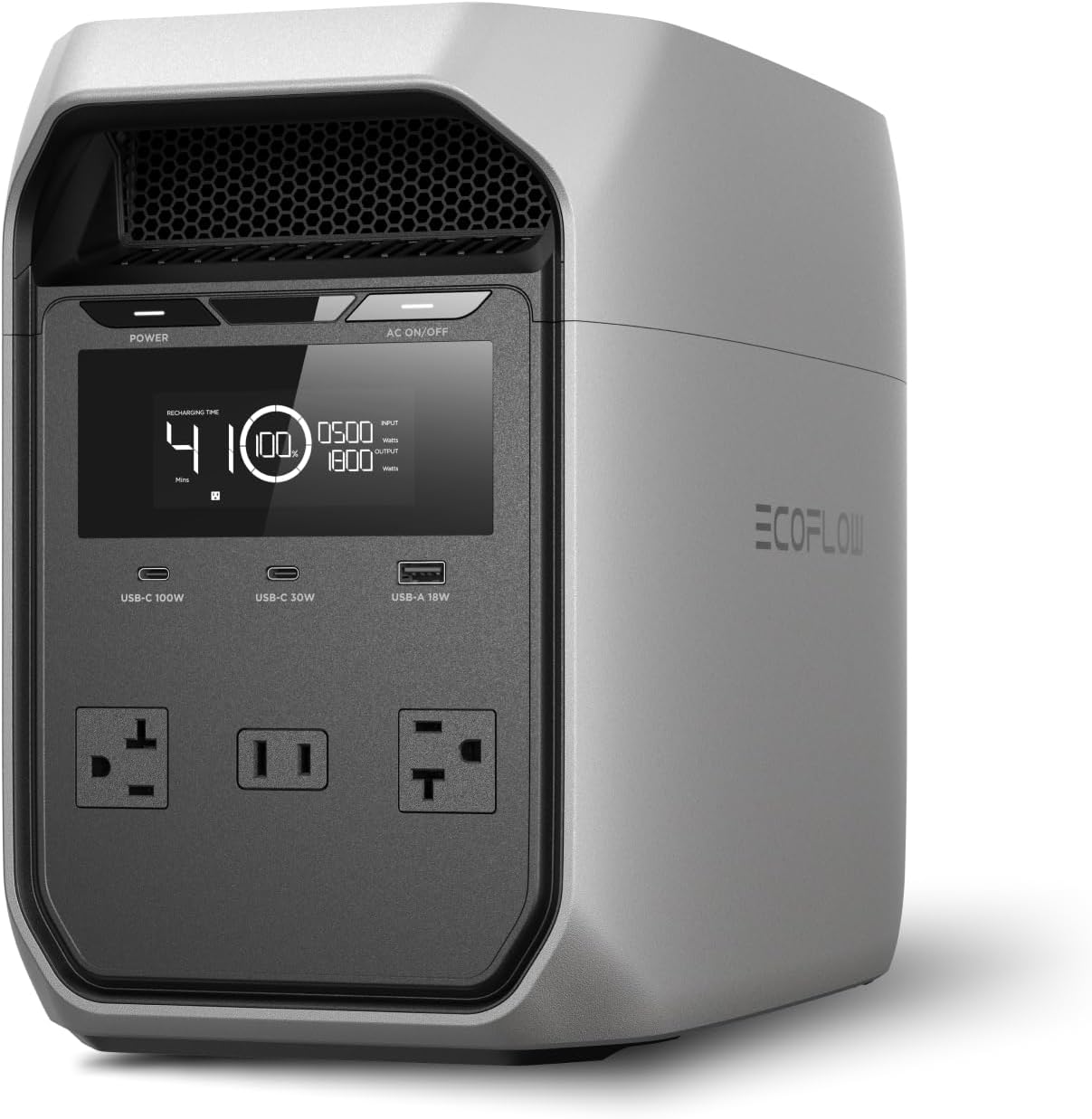
EcoFlow
DELTA 3 Classic
- 1,024 Wh LiFePO4
- 1,500W continuous output
- 500W max solar input
- Expandable to 5,120 Wh
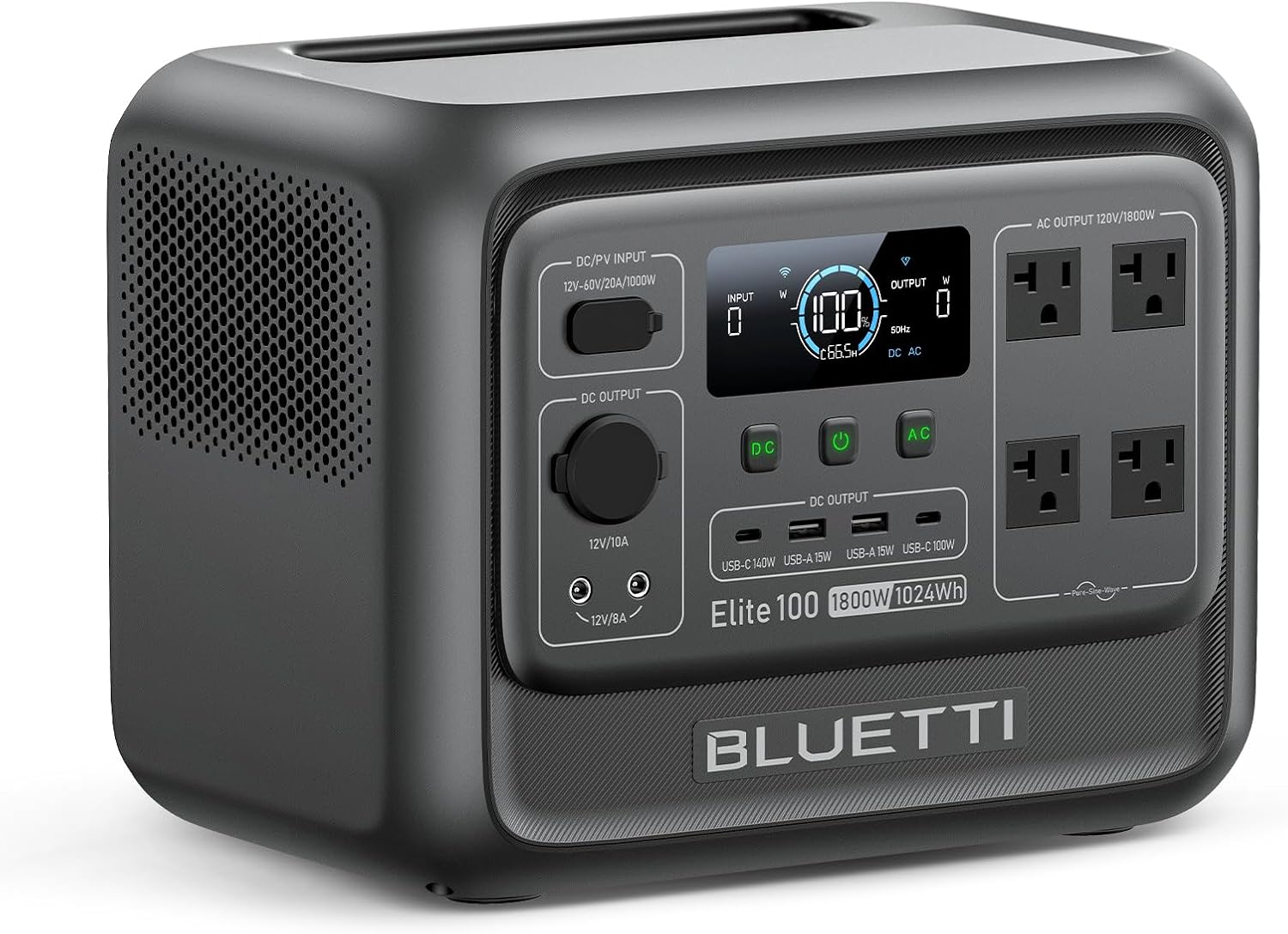
Bluetti
Elite 100 V2
- 1,024 Wh LiFePO4
- 1,800W continuous output
- 1000W max solar input
- Expandable to 2,048 Wh
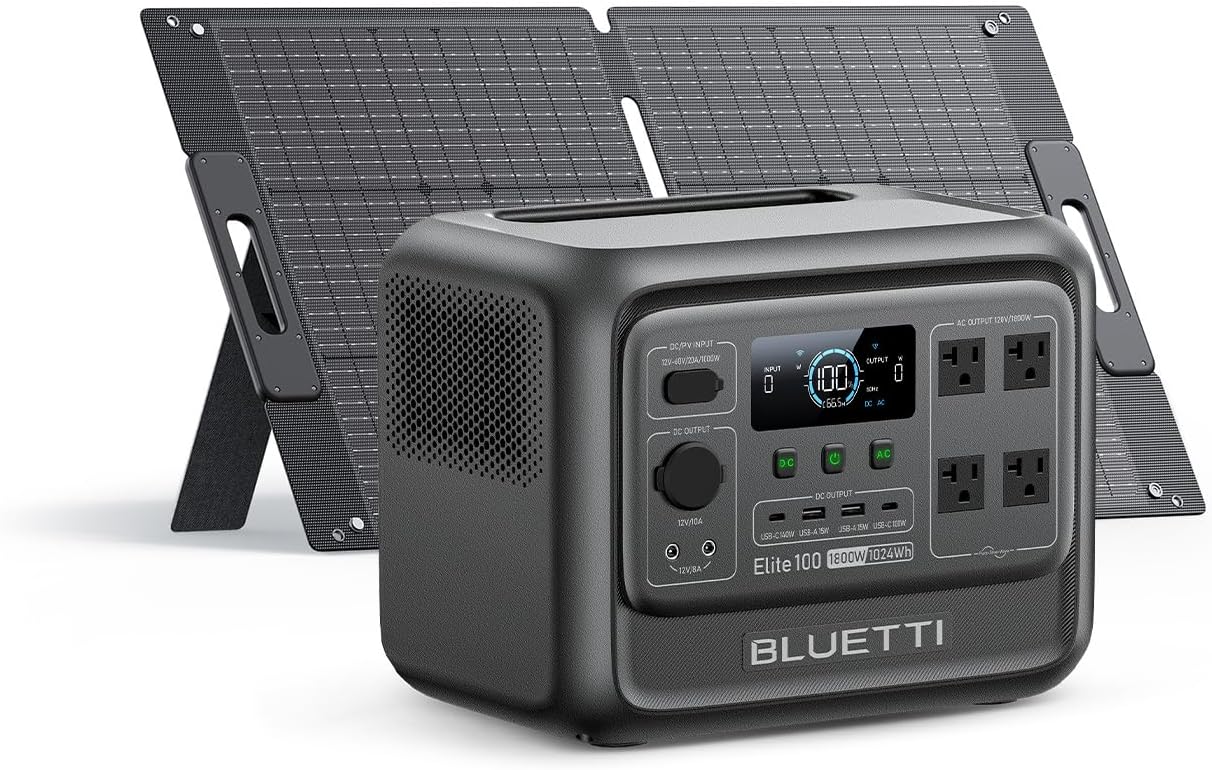
Bluetti
Elite 100 V2 + 100W Solar Kit
- 1,024 Wh LiFePO4
- 1,800W continuous output
- 1000W max solar input
- Includes 100W solar panel
- Expandable to 2,048 Wh
LiFePO4 Battery Bank FAQ
How do I calculate LiFePO4 battery bank size?
Multiply your daily watt-hour usage by the number of days of autonomy you want, then divide by 0.8 (80% usable depth of discharge for LiFePO4). For example, 5,000 Wh/day × 3 days ÷ 0.8 = 18,750 Wh of battery storage. Convert to amp-hours by dividing by your system voltage (12V, 24V, or 48V). The calculator above does all this and recommends a series/parallel cell configuration.
How many LiFePO4 cells do I need for a 12V battery bank?
4 cells in series make a nominal 12.8V LiFePO4 battery (4 × 3.2V). To increase capacity, add cells in parallel: 4s2p doubles capacity, 4s4p quadruples it. A 12V 200 Ah bank uses 4 × 200 Ah cells in series, or 8 × 100 Ah cells in 4s2p. Always use a 4s BMS rated for your maximum continuous discharge current.
What’s the depth of discharge for LiFePO4?
LiFePO4 batteries can be discharged 80–90% without significantly affecting cycle life — far better than lead-acid (50%) or AGM (60%). Most off-grid system designs use 80% as the planning number to leave headroom for cold weather and aging. Quality LiFePO4 cells last 3,000–6,000 cycles at 80% DoD, which is 8–15+ years of daily cycling.
How long does a LiFePO4 battery last?
A quality LiFePO4 cell rated at 6,000 cycles will last 16+ years if cycled once per day. Even cheaper grade-B cells deliver 3,000+ cycles (8 years). Calendar aging adds slow degradation regardless of use, but properly stored LiFePO4 retains 80%+ capacity after 10 years. This is 4–5× longer than lead-acid for similar usable capacity.
LiFePO4 vs lead-acid for solar — which is better?
LiFePO4 wins on every metric except upfront cost. You get 80% usable capacity vs 50% for lead-acid, 4–5× longer life, higher charge/discharge rates, no maintenance, and no off-gassing. Initial $/Wh is roughly 2× lead-acid, but $/cycle is 3–5× cheaper. Only choose lead-acid if upfront budget is tight and you don’t mind replacing batteries every 3–5 years.
Can LiFePO4 batteries freeze?
LiFePO4 cells must not be charged below 32°F (0°C) — doing so causes lithium plating and permanent damage. Discharging is safe down to about -4°F (-20°C) but reduces capacity. For cold climates, choose batteries with built-in self-heating (most quality drop-in batteries have this) or install in a heated enclosure. Many cabins solve this with a small thermostatic battery heater pad.